Hull Vane – the solution to improve ships' efficiency, performance and seakeeping
Key Takeaways
Ecospeed is a proven, non-toxic, cost-effective alternative technology for underwater ship hull protection and biofouling control. It can save up to 10-25% of fuel consumption and emissions, some specific cases even claim a reduction as high as 40% or more. Watch this lunch and learn webinar to learn more and determine if this applies to your vessel!
The coating was created by Boud van Rompay, originally a diver who saw first-hand the destructive power of conventional anti-fouling coating used in the maritime industry. He decided to dedicate his life to the future of the planet and actively contribute to a better world. His life's work is embodied by this coating - Ecospeed.
More Stories
Choosing a marine fuel is no longer about price per metric ton, it is about total regulatory exposure. This masterclass covers 22 marine fuels across three groups and six families, how EU ETS, FuelEU Maritime and IMO Net-Zero each calculate costs differently, and why 2035 is the tipping point that should drive your decision.
How much power does a ship actually draw at berth? The same vessel can vary by 300%, sister ships doing exactly the same can differ by 30%, and Tankers of the same size can differ tenfold in installed capacity. This masterclass explains the methodology we use to estimate average shore power demand per ship category, using GT-based scaling functions and calibrated load factors built on 7,102 ships and 153 measured datasets.
Shore power is becoming mandatory in the EU from 2030, but no regulation says what it should cost. This masterclass explains how an OPS connection is defined, the three pricing models used across EU ports, what shipowners currently pay per kWh, and how that compares to generating electricity onboard.
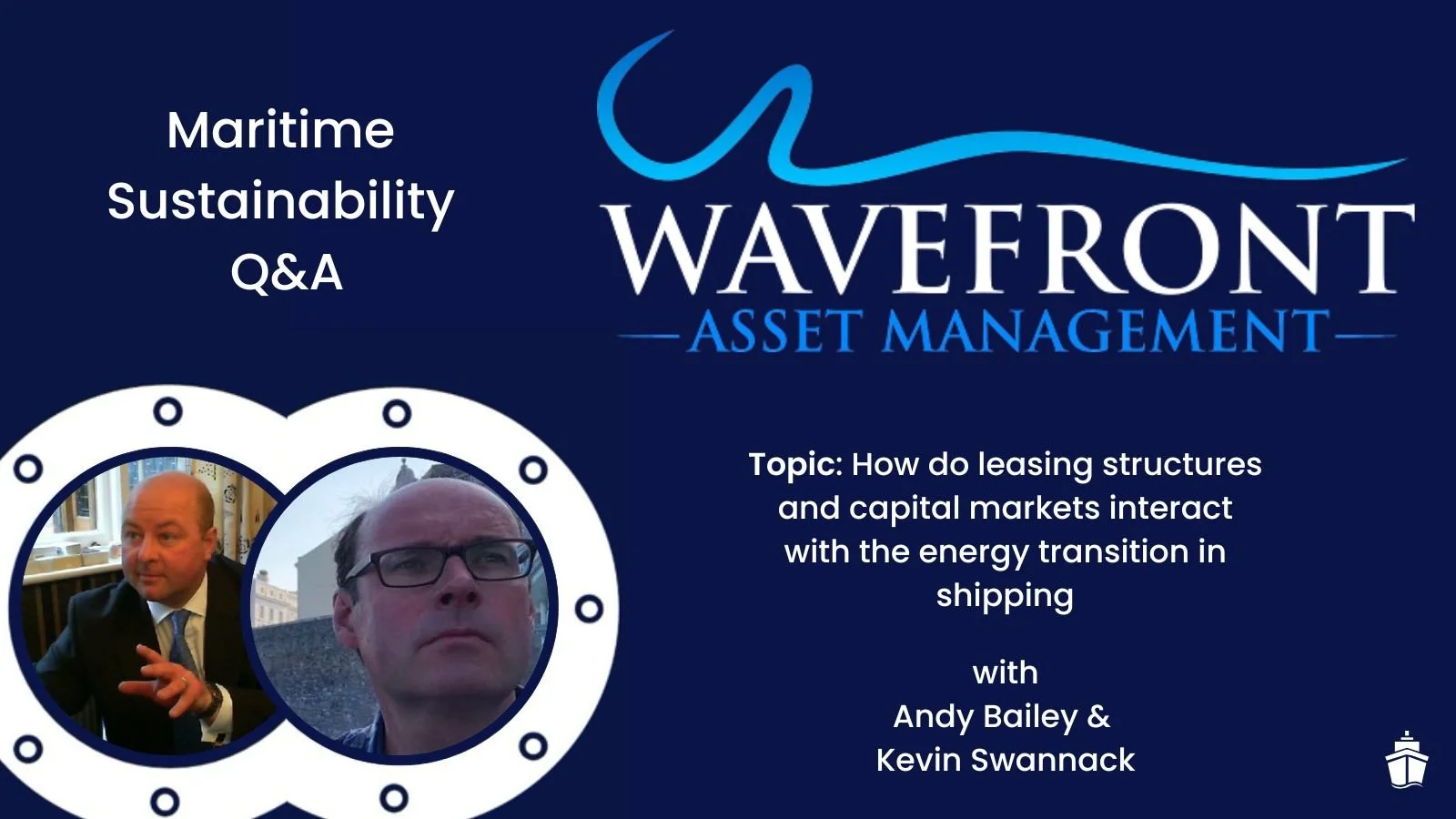
This Q&A looks at how equipment finance and leasing shape decarbonization decisions, with Kevin Swannack and Andy Bailey of Wavefront Asset Management, who explain why and how leasing of equipment can actually be the most cost-effective option.
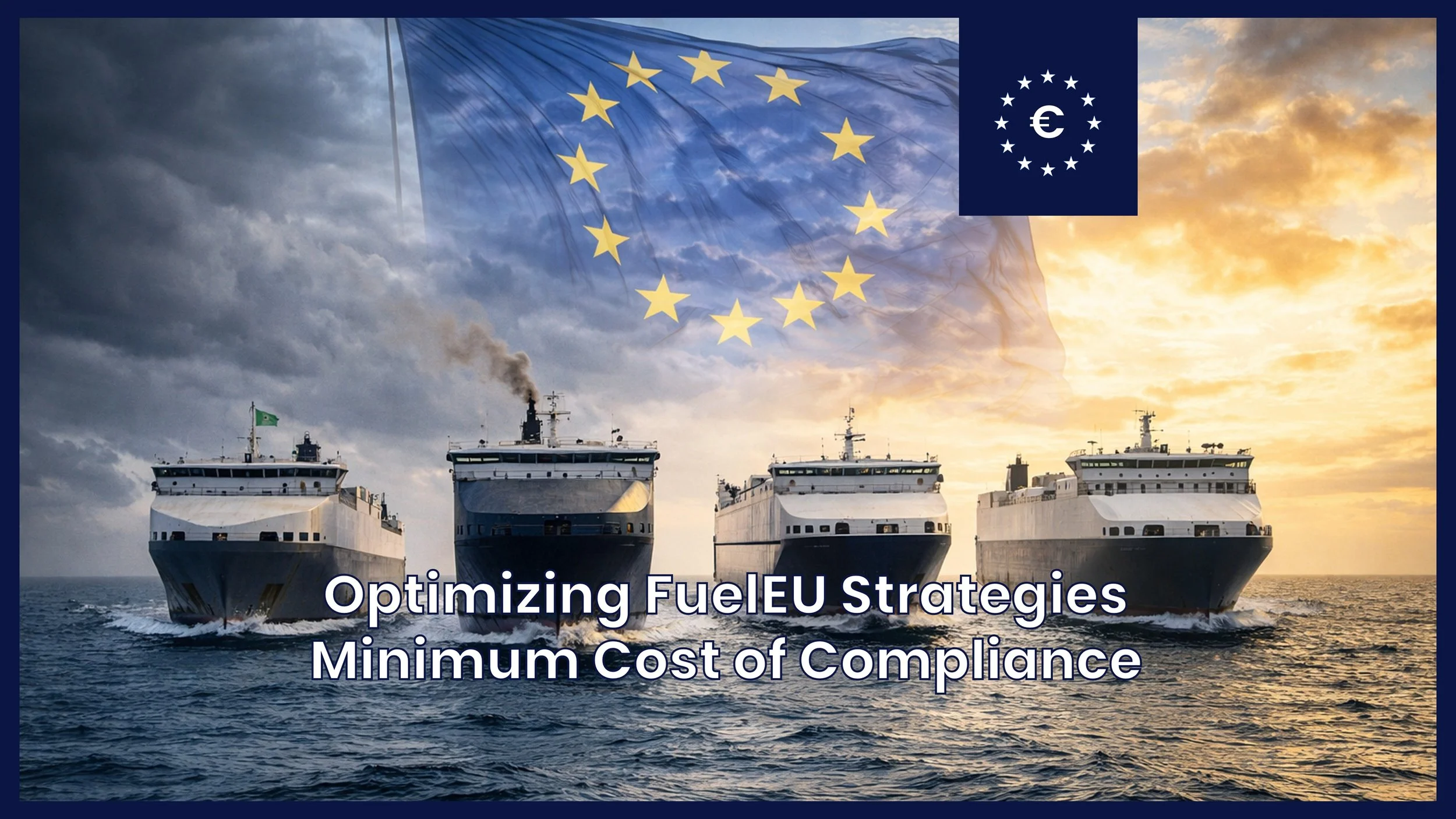
This case study compares three compliance strategies for FuelEU (paying the penalty (business as usual), buying pool credits from a third party, and blending biofuels) for a representative 4-ship fleet over 2026–2040. Results show that pooling and biofuels both beat business as usual by 6–7%, but it is a coin toss on which is better for you. The outcome is highly sensitive to B100 price and tightens structurally in favour of biofuels after 2030, making this a tipping-point question rather than a one-off choice.
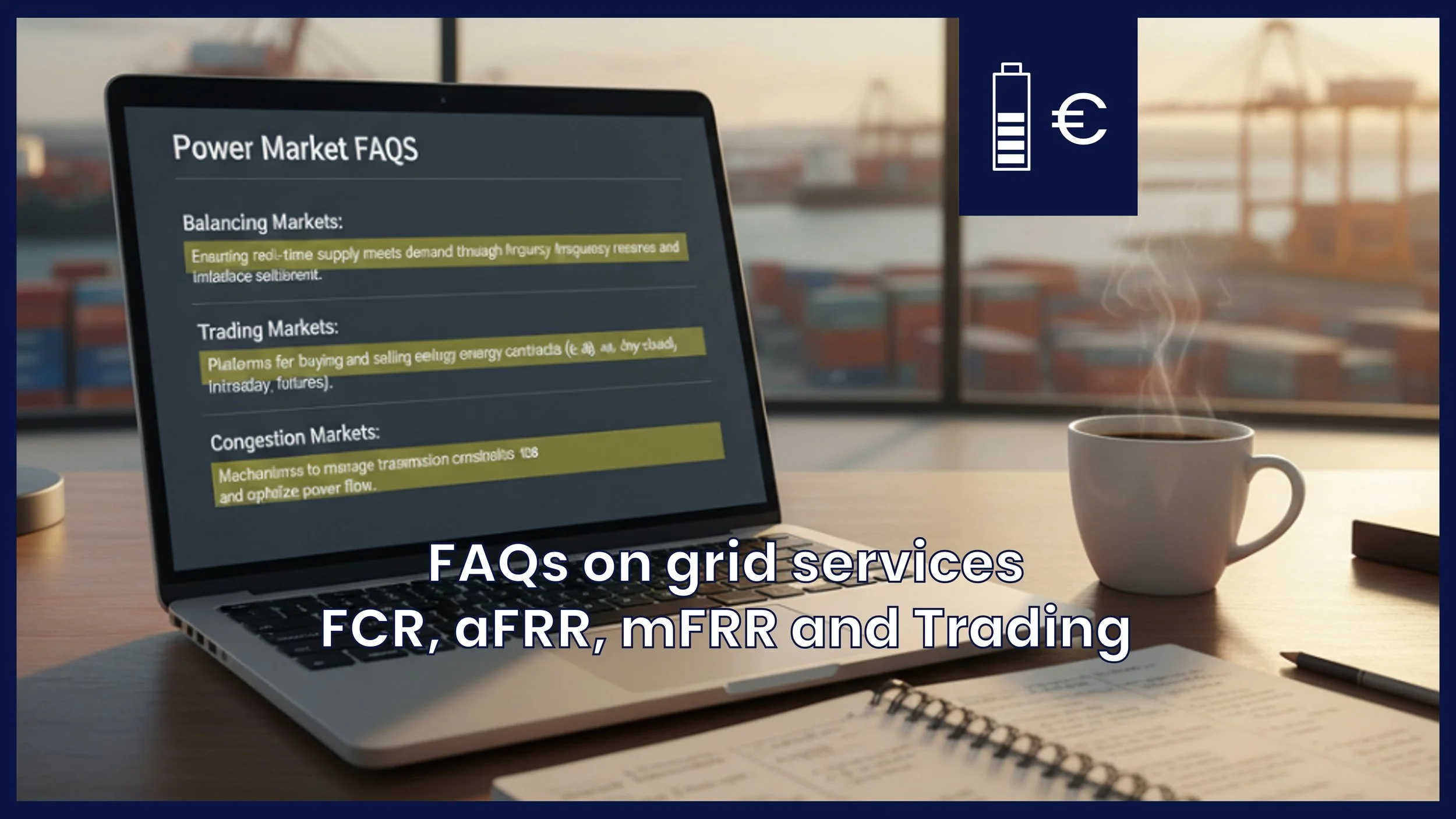
This FAQ provides essential answers on grid balancing markets (FCR, aFRR, mFRR), trading markets (day-ahead, intraday), and congestion management. Covers prequalification timelines, revenue ranges, operator roles, technical requirements, and more. It is intended for developers and asset owners in Northwest Europe.
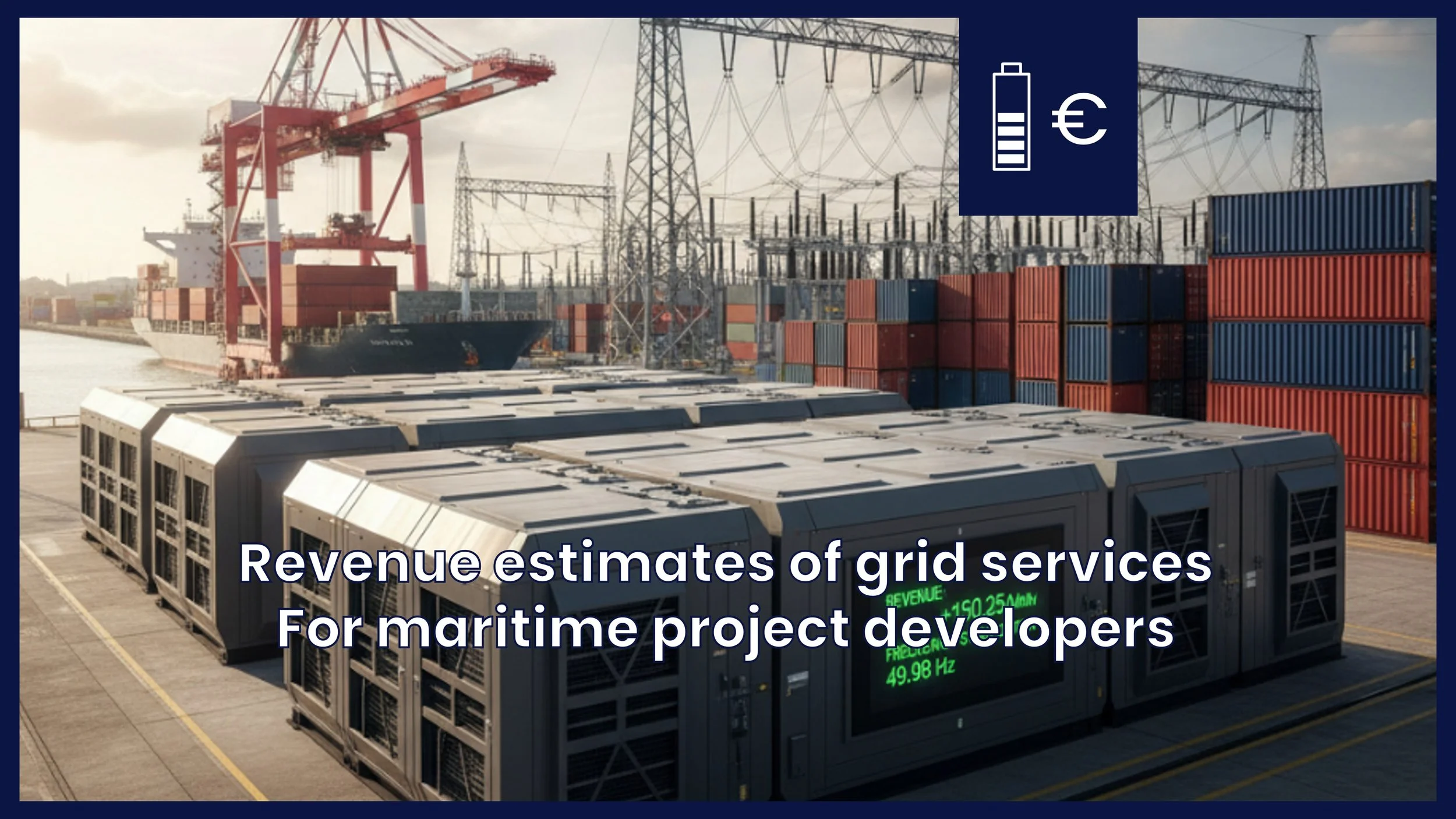
Batteries can earn money from the grid in three ways: balancing (steady capacity fees), trading (price spreads), and congestion management (local activation). But grid services are fragmented by country, operator, and product: what works in the Netherlands doesn't work in Germany. This guide shows energy storage developers how to stack these three revenue streams for maximum ROI. Intended for developers in port environments.
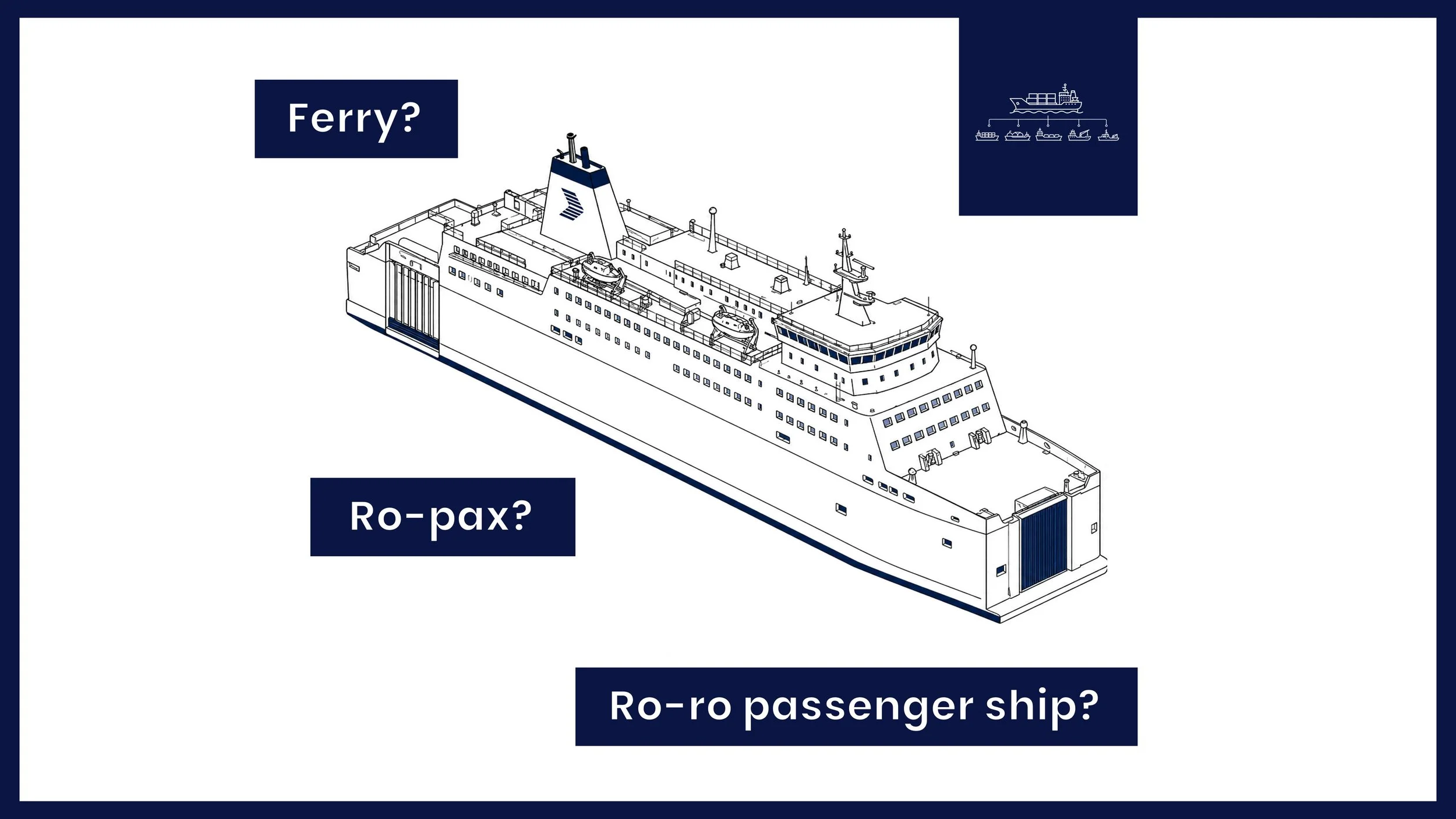
Every regulator, classification society, broker, and data provider has its own ship-type taxonomy: the same vessel can be a Ro-pax ship to EU MRV, a Cruise Passenger Ship under IMO MARPOL Annex VI, and simply a Passenger ship in a Clarksons fleet report. None of the labels is wrong; they are the working vocabulary of different communities. This blog provides guidance by harmonizing them into the ‘Sustainable Ships framework’: 20 categories, 72 types, and 52 sizes.
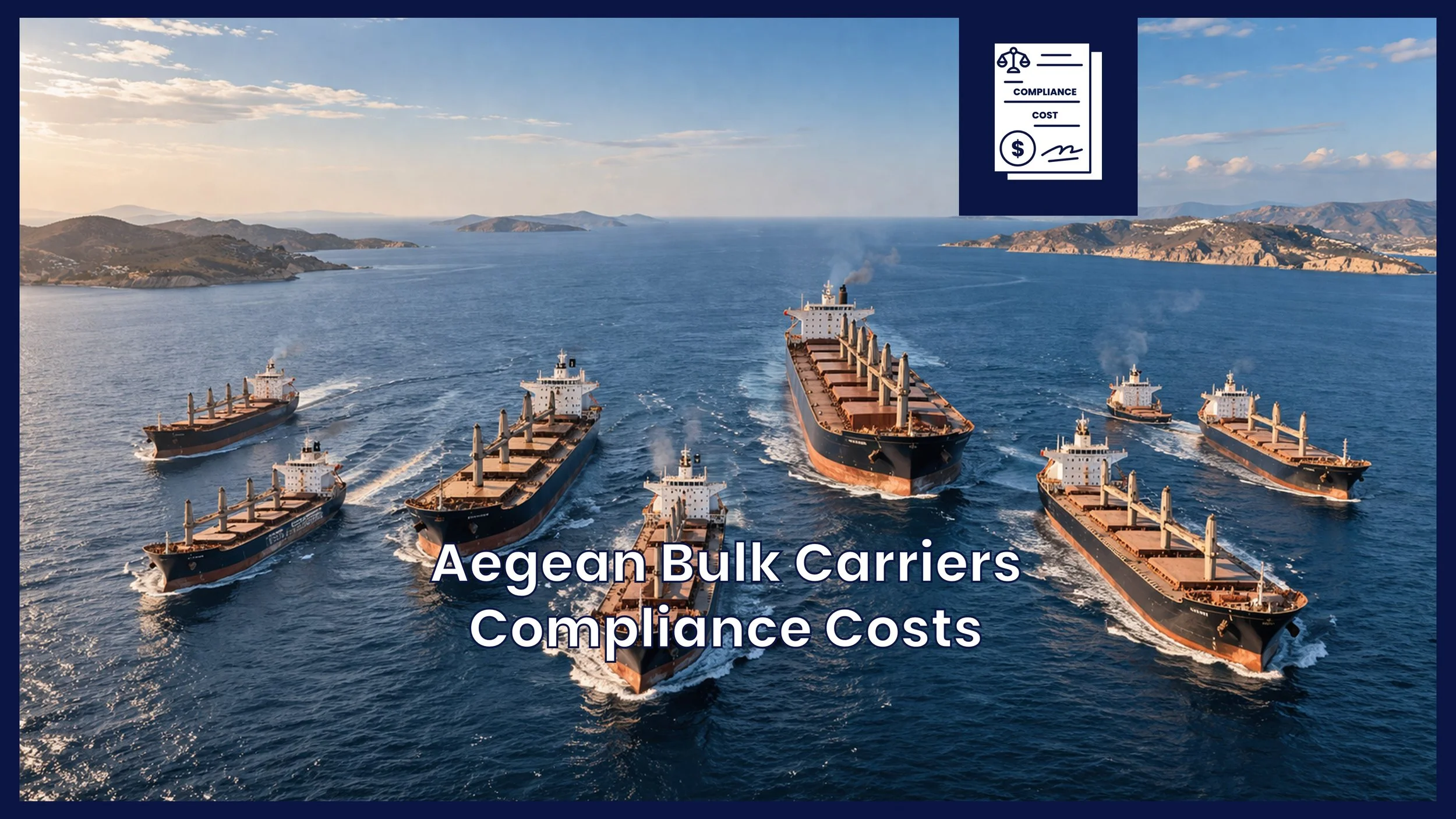
Shipping companies face a growing set of regulatory obligations (EU ETS, UK ETS, FuelEU Maritime, and IMO Net-Zero) that directly affect operating costs. This case study determines these costs for a representative fleet of eight Greek dry bulk vessels, calculating exposure under EU ETS, FuelEU Maritime and IMO Net-Zero from 2026 to 2050. The fleet faces a total compliance cost of $4.1 billion over the analysis period, escalating from $30 million in 2026 to $ 362 million in 2050.
This case study determines what it takes to remove the fuel from a cruise ship, comparing a 50,000 GT ocean cruise ship with an inland river cruise vessel. The ocean cruise ship obtains a payback of around five years, but only with very cheap electricity, battery prices of $150 per kWh, long-term financing and the sale of FuelEU surplus (many caveats!). The river cruise ship is technically easier, but is extremely challenging to make a business case for because EU ETS and FuelEU do not apply to it.