EU MRV
CO2 reporting system for carbon tax in EU for vessels of 5.000* GT and above
Frequently Asked Questions
-
Verification is performed by accredited verifiers which should ensure that monitoring plans and emissions reports are correct and in compliance with the requirements set out in this Regulation.
As an important element to simplify verification, verifiers should check data credibility by comparing reported data with estimated data based on ship tracking data and characteristics.
-
Non-compliance with the provisions of this Regulation should result in the application of penalties. Member States should lay down rules on those penalties. Those penalties should be effective, proportionate and dissuasive.
In the case of ships having failed to comply with monitoring and reporting requirements for two or more consecutive reporting periods and where other enforcement measures have failed to ensure compliance, it is appropriate to provide for the possibility of expulsion. Such a measure should be applied in such a way as to allow the situation of non-compliance to be rectified within a reasonable period of time.
-
Required parameters to be measured for the reporting are:
Monitoring on a per-voyage basis
Port of departure and port of arrival including the date and hour of departure and arrival;
Amount and emission factor for each type of fuel consumed in total;
CO2 emitted
Distance travelled
Time spent at sea
Cargo carried
Transport work
Monitoring on an annual basis
Amount and emission factor for each type of fuel consumed in total
Total aggregated CO2 emitted within the scope of this Regulation
Aggregated CO2 emissions from all voyages between ports under a Member State's jurisdiction
Aggregated CO2 emissions from all voyages which departed from ports under a Member State's jurisdiction
Aggregated CO2 emissions from all voyages to ports under a Member State's jurisdiction
CO2 emissions which occurred within ports under a Member State's jurisdiction at berth
Total distance travelled
Total time spent at sea
Total transport work
Average energy efficiency
About EU MRV
The EU Monitoring, Reporting and Verification system is used to report CO2 emissions within European Economic Area (EEA) ports. Other greenhouse gases, climate forcers or air pollutants is not included in this stage to avoid requirements to install not sufficiently reliable or commercially available measuring equipment, which could impede the implementation of EU MRV. Such transparency aims to incentivize the uptake of more energy efficient technologies and behaviours in the sector.
The data must be verified by accredited third parties, with the aim of providing comparable data over time and robust information for further decision-making at the EU or the global level. It covers ships above 5000 gross tonnes calling at EEA ports for maritime transport purposes regardless of the flag they fly, and this threshold is likely expected to be lowered to 400 gross tonnes in the near future. Other ship activities (such as fisheries, offshore (support) activities) are currently discussed to be included as well.
Stories
Shore power is becoming mandatory in the EU from 2030, but no regulation says what it should cost. This masterclass explains how an OPS connection is defined, the three pricing models used across EU ports, what shipowners currently pay per kWh, and how that compares to generating electricity onboard.
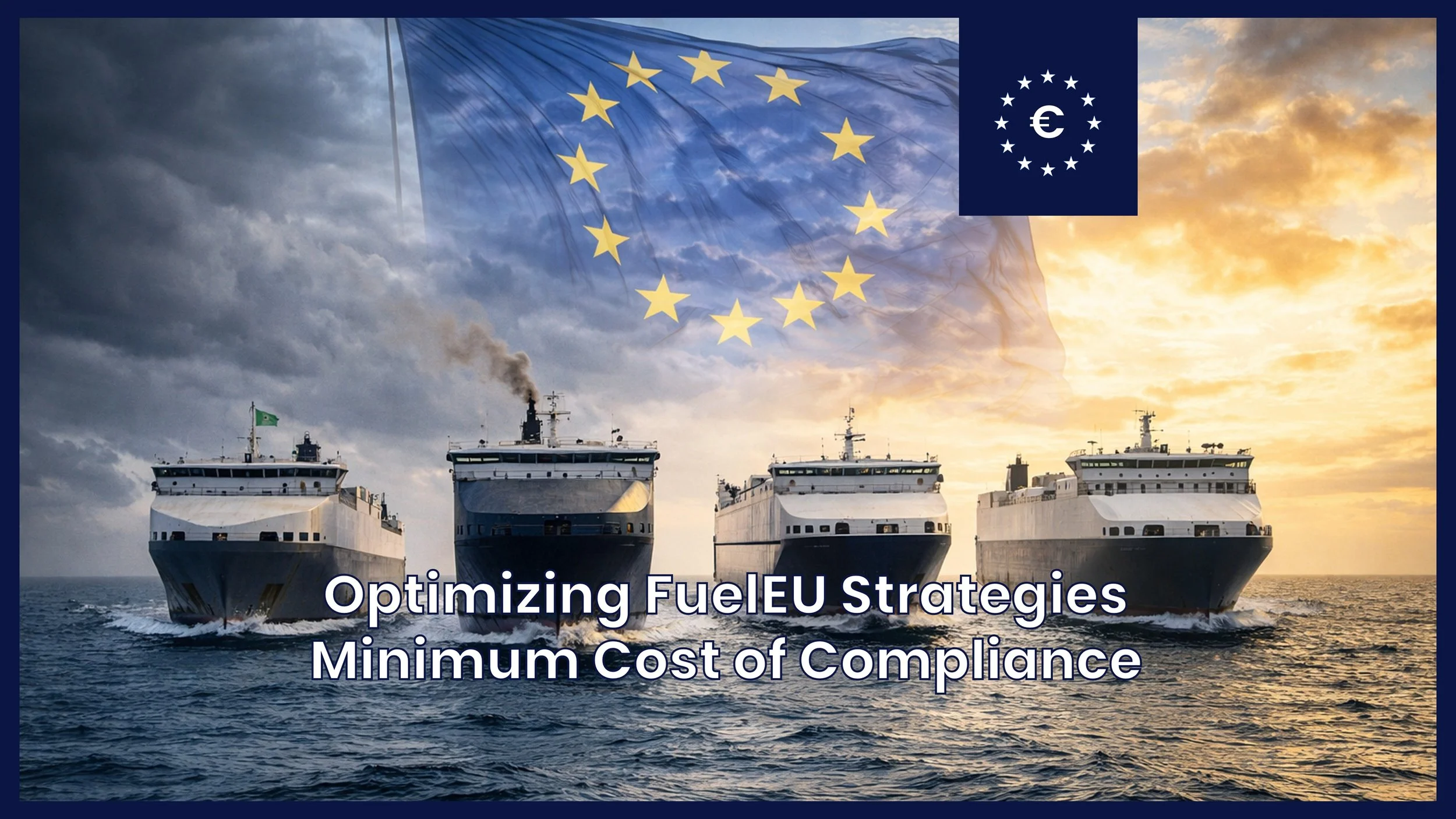
This case study compares three compliance strategies for FuelEU (paying the penalty (business as usual), buying pool credits from a third party, and blending biofuels) for a representative 4-ship fleet over 2026–2040. Results show that pooling and biofuels both beat business as usual by 6–7%, but it is a coin toss on which is better for you. The outcome is highly sensitive to B100 price and tightens structurally in favour of biofuels after 2030, making this a tipping-point question rather than a one-off choice.
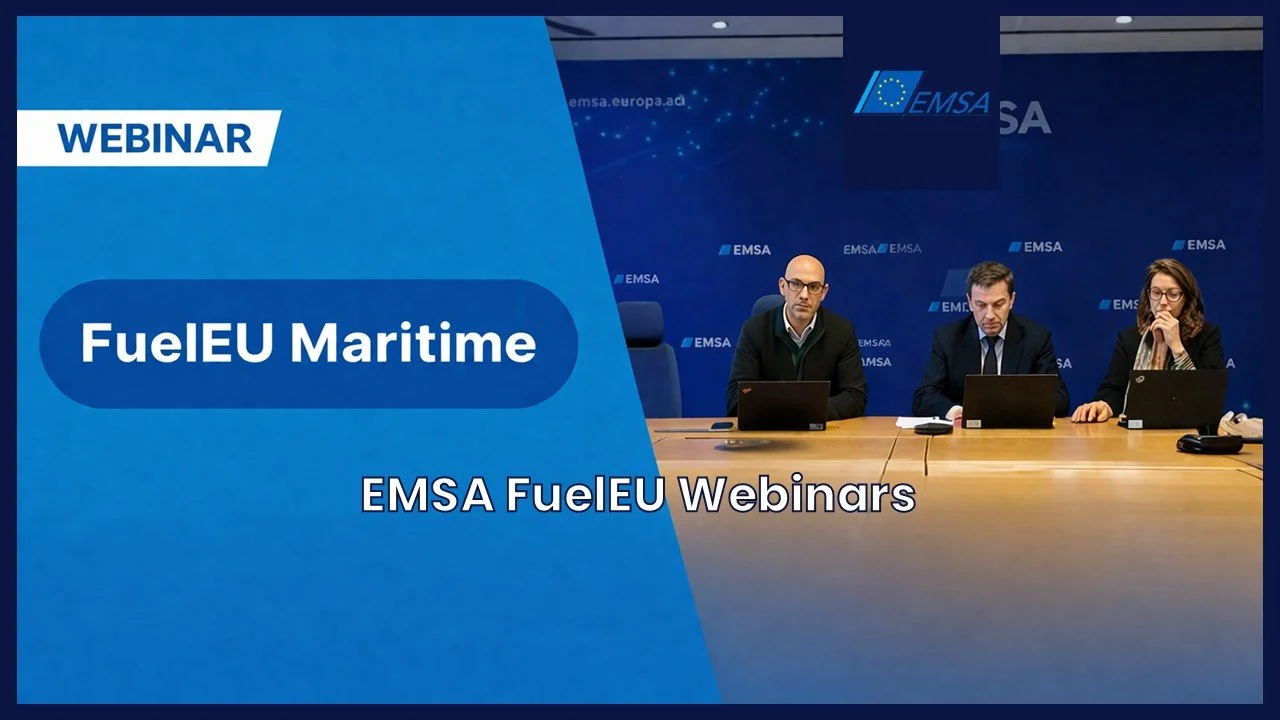
EMSA and DG MOVE are hosting a dedicated webinar series aimed at supporting maritime stakeholders in navigating the implementation of FuelEU Maritime and its broader regulatory context. The sessions are designed to provide practical insight into how the regulation will be applied in real-world operations, including its impact on fuel choices, compliance strategies, and commercial decision-making across different vessel types and trades.
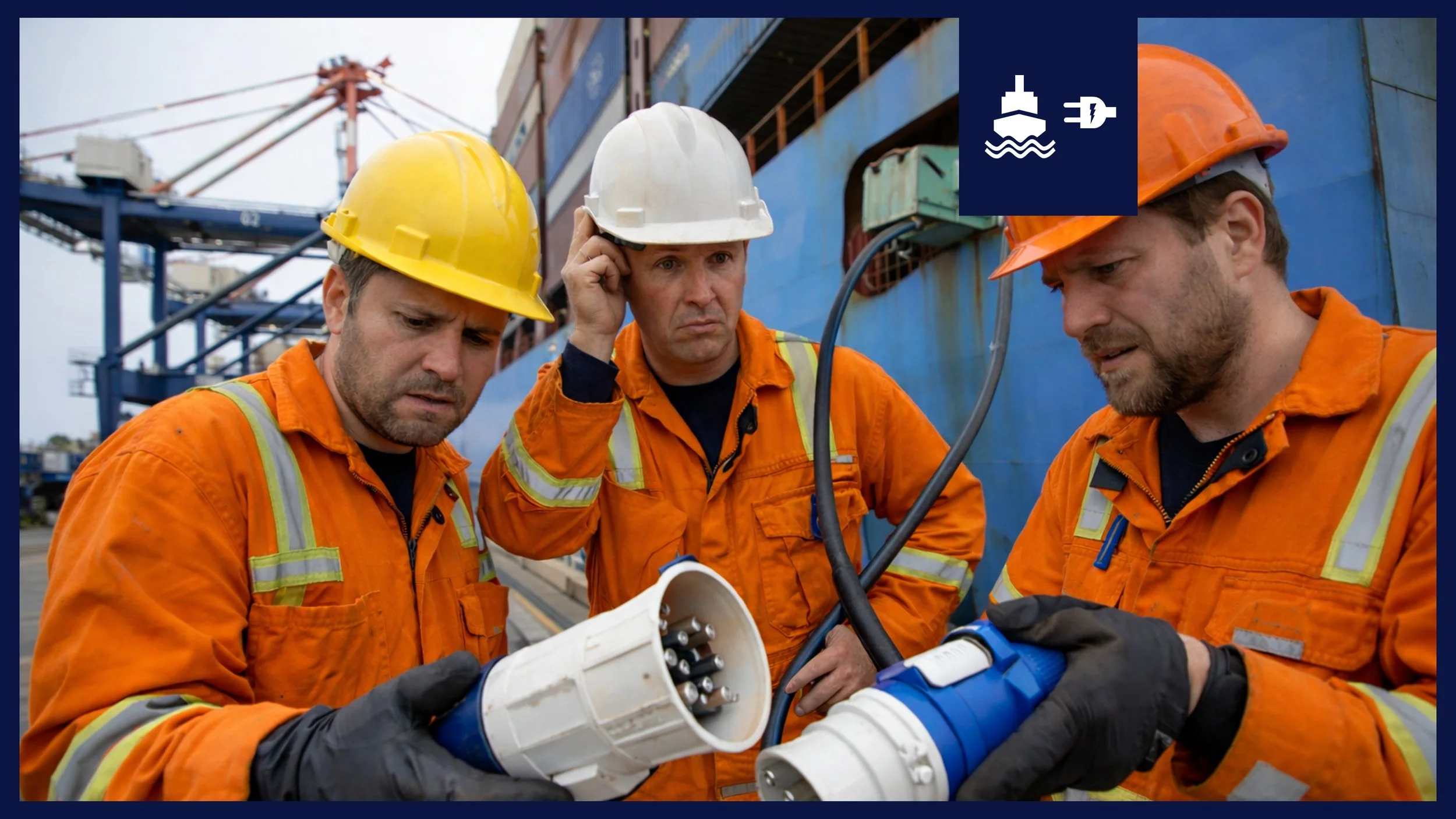
If shore power projects were easy, every port would already have them. Instead, developers run into the same fundamental challenges: unpredictable vessel power demand, complex infrastructure decisions, and business cases full of question marks. In this blog we look at those problems, and how our tools help you tackle them.
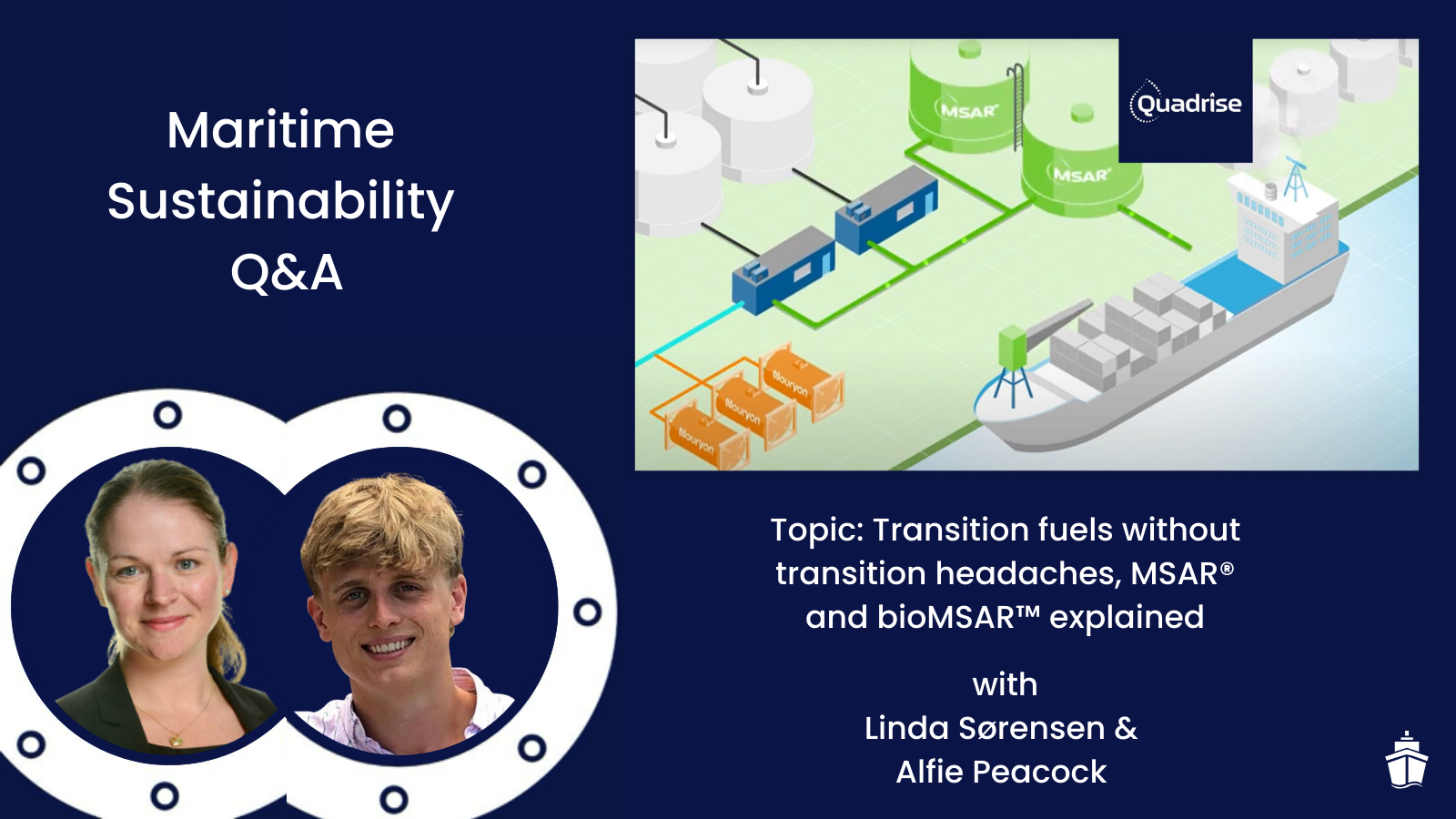
This Q&A session explores how transition fuels can support maritime decarbonization today, without major retrofits or new infrastructure. Together with Quadrise, we discussed MSAR® and bioMSAR™, oil-in-water emulsion fuels designed to improve combustion, reduce emissions, and support compliance under EU ETS and FuelEU Maritime. Relevant for shipowners and operators seeking practical solutions for the existing fleet.
This Q&A session explores the role of book and claim systems in maritime decarbonization, featuring Himanshu Sharma from Vurdhaan, a platform providing independent registries for Scope 3 emission reductions. Himanshu explains how virtual crediting works, why transparency and verification are key, and how book and claim differs from compliance pooling under FuelEU Maritime.

This Q&A session explores the upcoming IMO Net-Zero Framework, featuring Rajat Bishnoi and Yuvraj Thakur from Normec Verifavia, an accredited verifier supporting shipowners with emissions reporting and regulatory compliance. They explain the new GHG Fuel Intensity and Fuel Standard requirements, compare them to FuelEU Maritime, and discuss penalties, registry systems, and practical implications for shipowners preparing for 2027–2028 enforcement.

Accurate estimation of shore power demand at EU ports has become essential due to strict regulations like AFIR, which requires electrification for 90% of port calls by container and passenger ships at TEN-T ports by 2030. This blog evaluates three methods—using EU MRV fuel data, Sustainable Ships’ ship-specific power database, and ICCT research—to estimate the Total Addressable Market (TAM) for shore power. Results show the total annual electricity demand across EU ports is between approximately 6 and 13 TWh, highlighting the significant scale of infrastructure investment ahead.

This case study explores a 100 kWp solar PV system installed on the hatch covers of a handymax bulk carrier. Operating primarily in Northern Europe, the system offsets auxiliary engine load during idle periods, leading to estimated savings of ~$350,000 between 2025 and 2035. With a CAPEX of $100,000, the payback period is around three years. Most savings come from fuel reduction, with additional benefits from EU ETS and FuelEU compliance. The business case is most sensitive to engine efficiency (SFC) and fuel price.

This case study determines the costs of compliance for a 3,000 TEU Panamax containership with respect to FuelEU and EU ETS. Estimated annual compliance costs for business as usual range from $2.5M in 2025 to $23M in 2050. Two different pathways are evaluated to determine mitigation options and OPEX costs: shore power and wind-assisted propulsion. Savings for shore power are approx. $400k per year in 2025, savings for wind-assisted propulsion are approx. $600k in 2025.

This case study determines the effects of pooling a fully electric small-sized chemical tanker with similar type vessels in the context of FuelEU Maritime. The results show that a single electric ship can include up to 69 ships in its pool in 2025, each ship consuming 2,555 mT MDO per year.

This case study determines the impact of FuelEU Maritime on a shore power refit for a RoRo Cargo ship under multiple loading and operational conditions. Pending on the amount of days connected to the grid and the average load while moored, it is estimated that shore power can save €250,000 per year.

This is a case study that determines the impact of FuelEU Maritime on a shore power refit business case up to 2050, taking several ships and varying input parameters to determine the impact under multiple conditions. As FuelEU Maritime will make shore power mandatory in 2030 for passenger- and containerships, this tool will help to determine the impact of that regulation on your business case.

The FuelEU Maritime pooling mechanism is complex. The FuelEU Pool Tool makes it simple. Use this tool to compare cost impact of FuelEU, EU ETS and the fuel itself when pooling up to ten different ships. Blend different quantities of fuel, change fuel properties and compare the cost outlook until 2050 to make your very own FuelEU pooling strategy.

FuelEU is complex. The FuelEU Case Maker makes it simple. Use this tool to compare cost impact of FuelEU, EU ETS and the fuel itself for up to five different cases. Blend different quantities of fuel, change fuel properties and compare the cost outlook until 2050 to make your very own FuelEU strategy.

This is a case study on the ‘Skoon Skipper’, a general cargo large Rhine vessel, with an average of 40 [kW] power demand while moored to which a shore battery is applied. Batteries can help you comply with shore power regulations where no infrastructure exists with limited to no CAPEX investments. CAPEX is €0 for this case study as the battery pack is rented at an estimated €400 dayrate. Purchase cost for battery pack are approx. €350.000. This case study is powered by our preferred partner Skoon.

Most ports have the ambition to become carbon neutral by 2050. This typically excludes vessel emissions and focusses on Scope 1/2 port operations only. A significant portion of ports around the world have signed shore power declarations to ‘deploy shore-side electricity by 2028 where possible’, including all large North Sea ports, Los Angeles, Montreal and all large Japanese ports. Cruise and container vessels are the primary target for most ports’ regulations and EU will start taxing vessels via EU ETS from next year onwards.

Four out of the five largest shipping companies have the ambition to be carbon neutral by 2050. Most shipping companies focus on alternative fuels for combustion. Preferred fuels that are currently considered are (bio)LNG and methanol.

Virtually all energy majors have 2050 as target date for carbon neutrality. Most focus solely on Scope I and II emissions. Ørsted and Equinor have the highest ambitions and most stringent targets. Repsol, Eni, Shell, TotalEnergies and BP are following suit.

In the next four years, you will be faced with a carbon tax of €200 - €300 carbon tax per mT fuel, mandatory use of shore power and low carbon fuels due to a these five regulations: FuelEU Maritime, EU ETS, AFID, RED, ETD.

Almost all rules and regulations apply to large ships of 5.000 gross tonnage or more and will only start to significantly impact your operations and OPEX as per 2026. While some vessels remain exempt, it is to be expected all vessels will be subjected to severe carbon reduction requirements that will significantly impact operations and easily double operational costs of measures are not taken in time.

Join Poul Woodall as we discuss the challenges of the upcoming Fuel EU regulations. It is one of the most stringent upcoming rules and regulations in terms of emissions for the shipping industry.
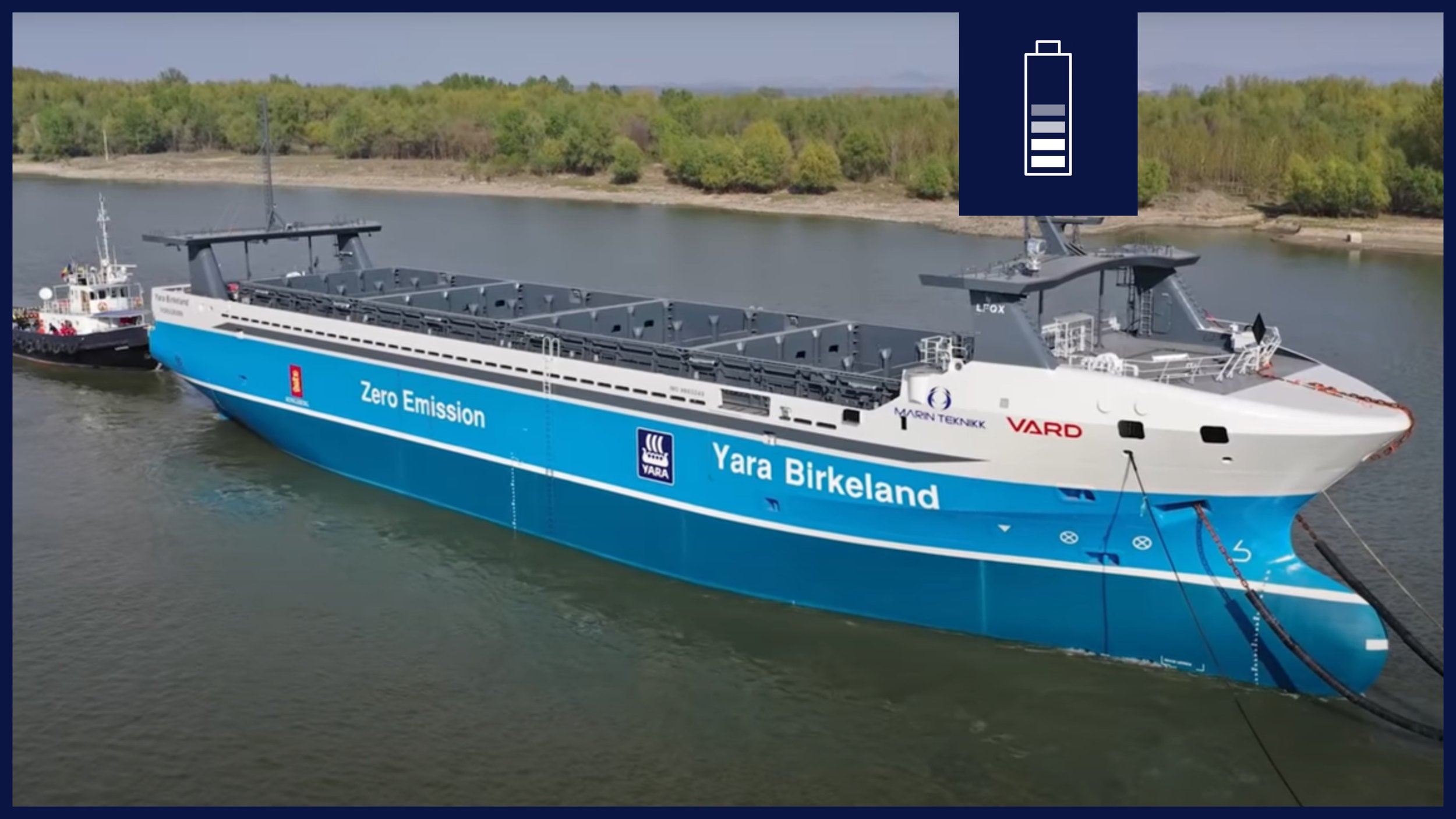
Dubbed ‘the Tesla of the seas’ this fully-electrified, fully-autonomous cargo ship is already making waves. The Yara Birkeland has a 7MWh battery, charged by Norwegian hydro power. She can carry a little over 100 containers. The ship cost about 25 million dollars, about three times a “conventional ship price”, but will nonetheless cut OPEX for Yara by 90%.

This is a story about how the shore power connection for Heerema in the Port of Rotterdam was realized from idea to reality. It is told from the perspective of Heerema, but could not be realized without help from Eneco, Siemens, Port of Rotterdam, the City Council of Rotterdam and InnovationQuarter. This story portrays the power of open collaboration for a sustainable future, and shows what can be achieved when working together on a common cause.

Designed in 2017 and launched in 2018, Hurtigreten has launched two new hybrid cruise vessels, the MS Roald Amundsen and MS Fridjof Nansen, that can sail fully electric for up to 30 minutes. Not only will it significantly reduce emissions, a hybrid system is also extremely quit. Arctic exploration has never been so much fun!

How a single project from Heerema - made possible by Sustainable Ships - kicked shore power developments in Rotterdam into high gear and led towards the Rotterdam Shore Power Strategy.

According to Equinor, carbon capture and storage will be vital to reach the global climate goals of the Paris Agreement. They are very pleased that the Northern Lights partners and leading European companies have taken the first steps to realize a European CO2 transport and storage system! In simple terms, carbon capture and storage deals with removing CO2 from emission sources and storing it permanently underground, so that it is not released to the atmosphere.
References
EMSA - Thetis instruction videos

How much power does a ship actually draw at berth? The same vessel can vary by 300%, sister ships doing exactly the same can differ by 30%, and Tankers of the same size can differ tenfold in installed capacity. This masterclass explains the methodology we use to estimate average shore power demand per ship category, using GT-based scaling functions and calibrated load factors built on 7,102 ships and 153 measured datasets.