Vincent Doedee
Founding partner

Why am I a part of Sustainable Ships?
To contribute to the creation of a sustainable maritime industry is an engineer’s dream and the right thing to do. I want to share my knowledge and help others.
Core values
Curiosity, creativity, empathy.
My projects
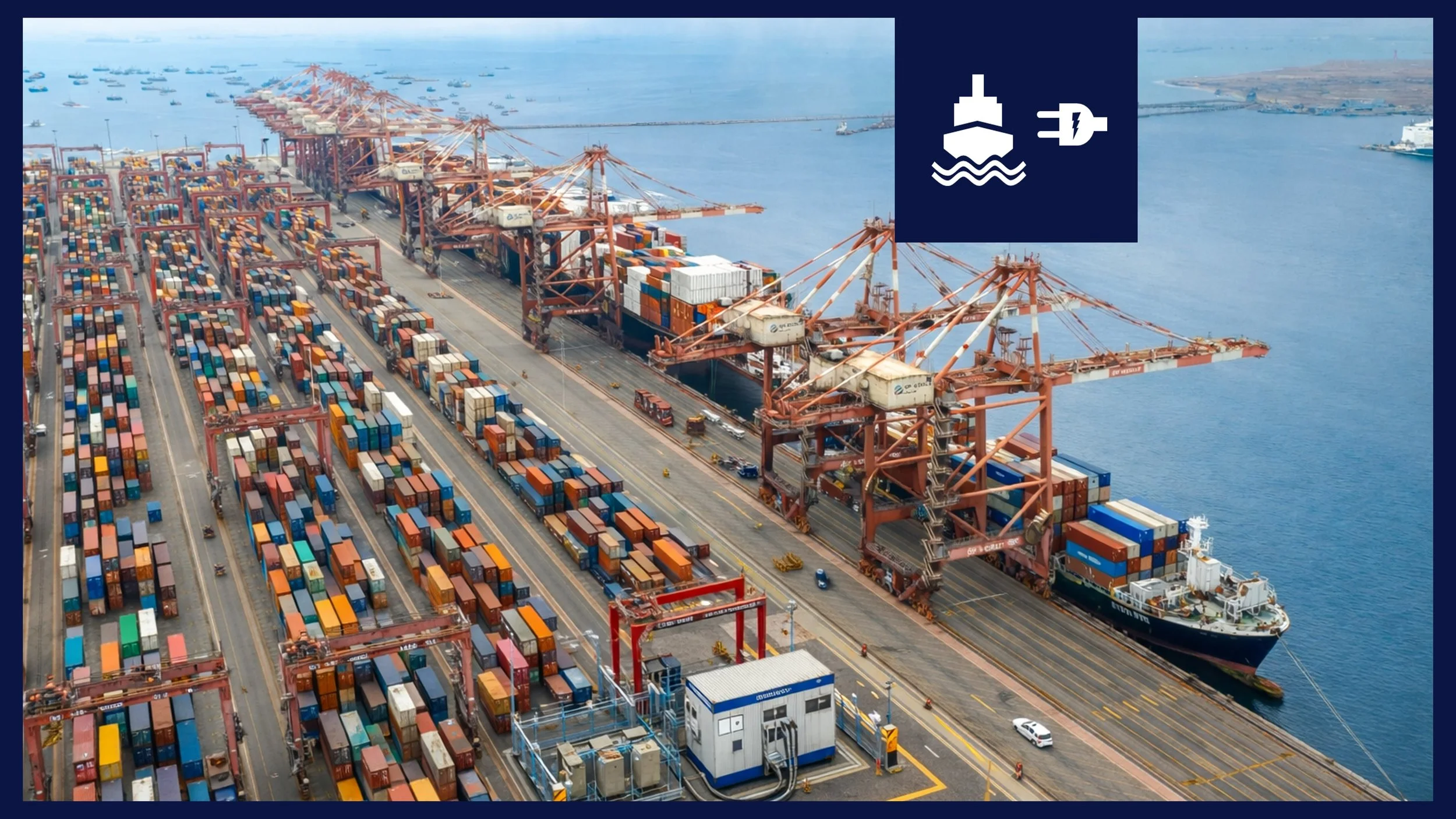
Subcontracted by Seabridges, Sustainable Ships provided an independent technical review of a high-voltage shore power (HVSC) installation for large container ships, working alongside Seabridges. The review covered system architecture, electrical integration with the terminal grid, and compliance with IEC/IEEE 80005 standards, supporting the client in validating key technical decisions and reducing implementation risk.
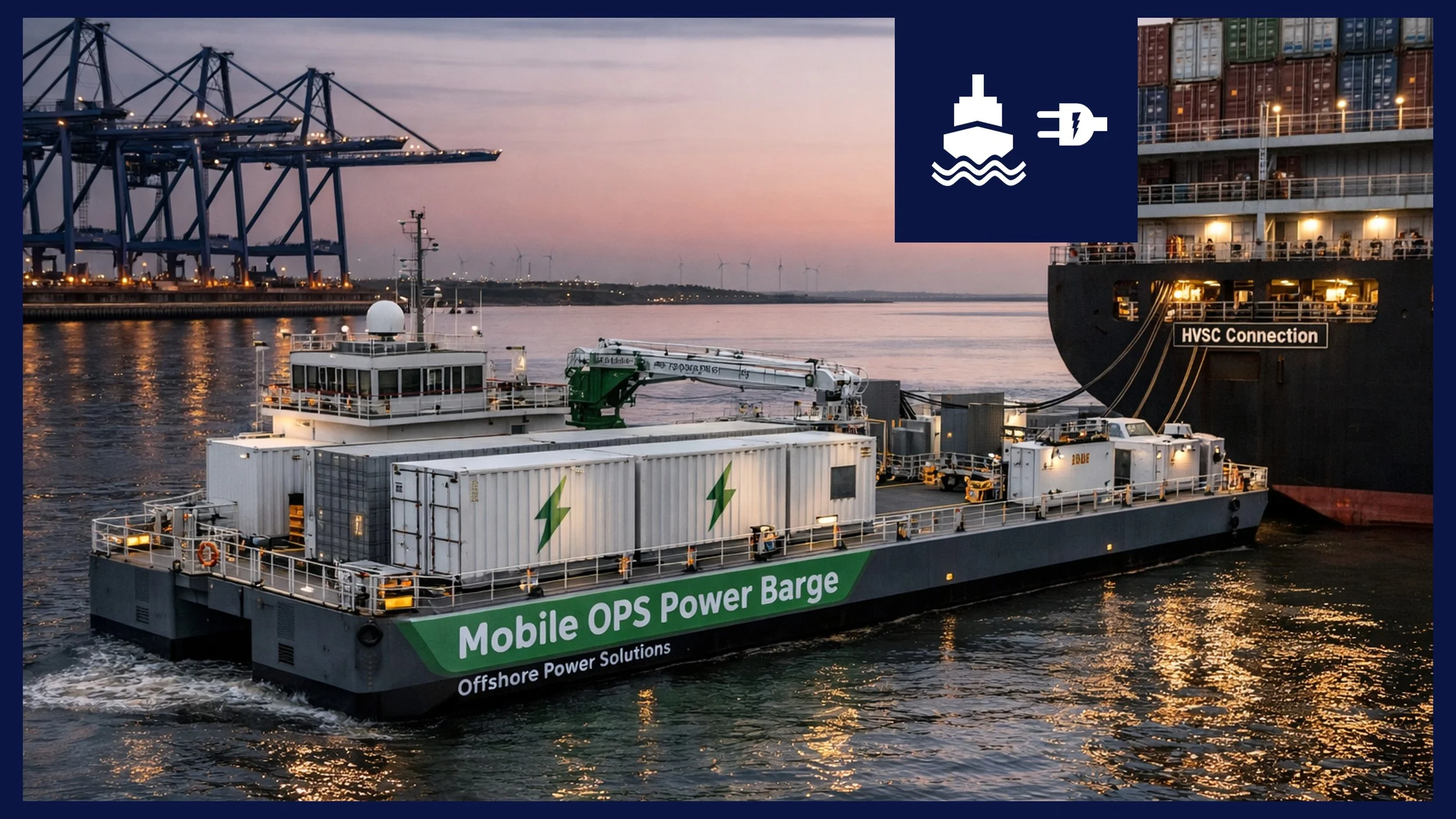
Sustainable Ships assisted in developing a business case and go-to-market strategy for a mobile onshore power supply (OPS) service targeting major ports along the U.S. Gulf and East Coast. The work supports evaluation of commercial viability through the use of AIS data and Sustainable Ships’ Database, deployment strategy, and regulatory alignment for mobile OPS solutions.
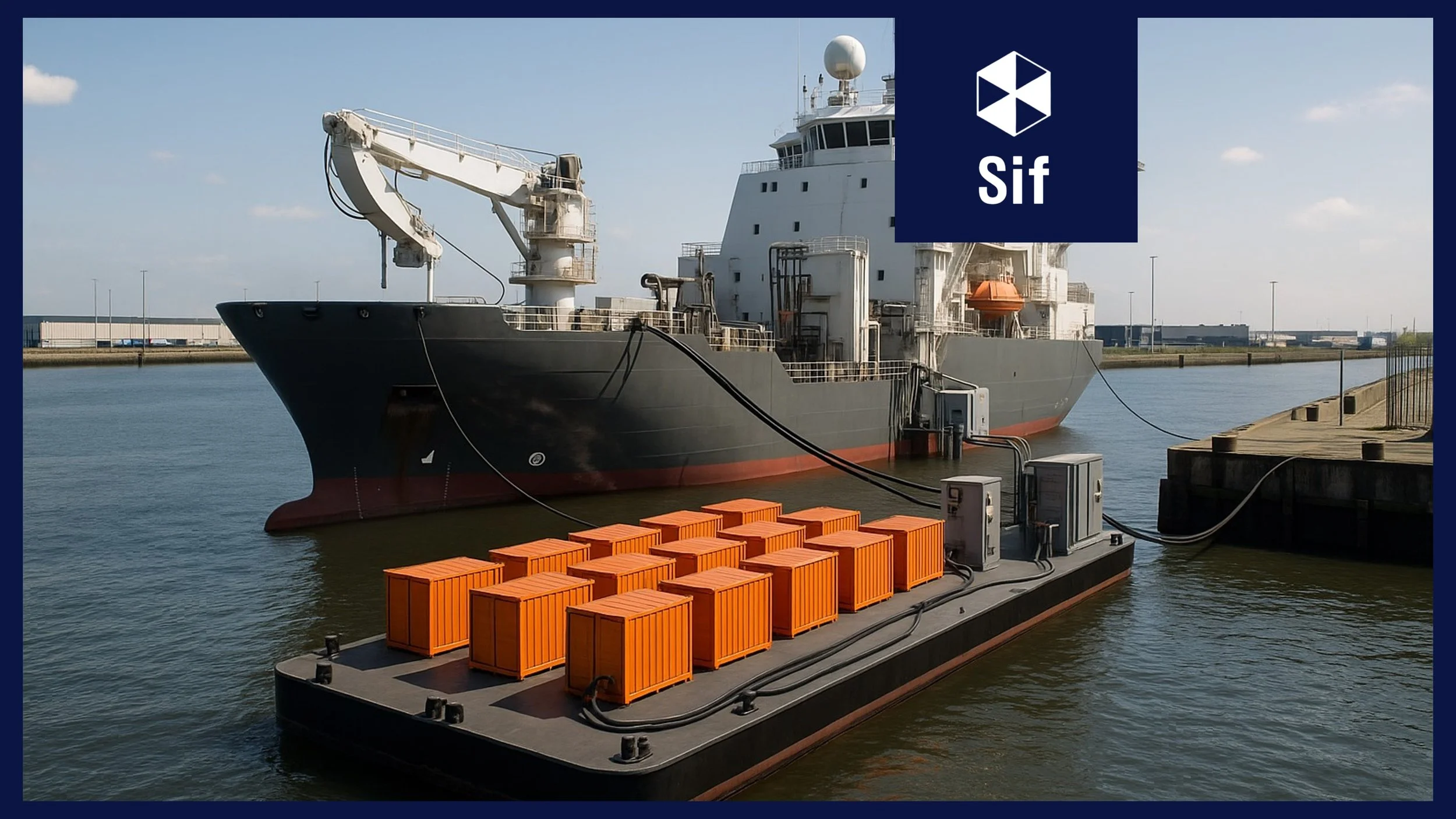
Sustainable Ships is supporting Sif with a techno-economic business case to assess a mobile shore power solution with battery storage at the Sif terminal on Maasvlakte 2 in Rotterdam. The study evaluates whether a flexible, non-fixed shore power concept can reduce vessel emissions while meeting regulatory and operational requirements.
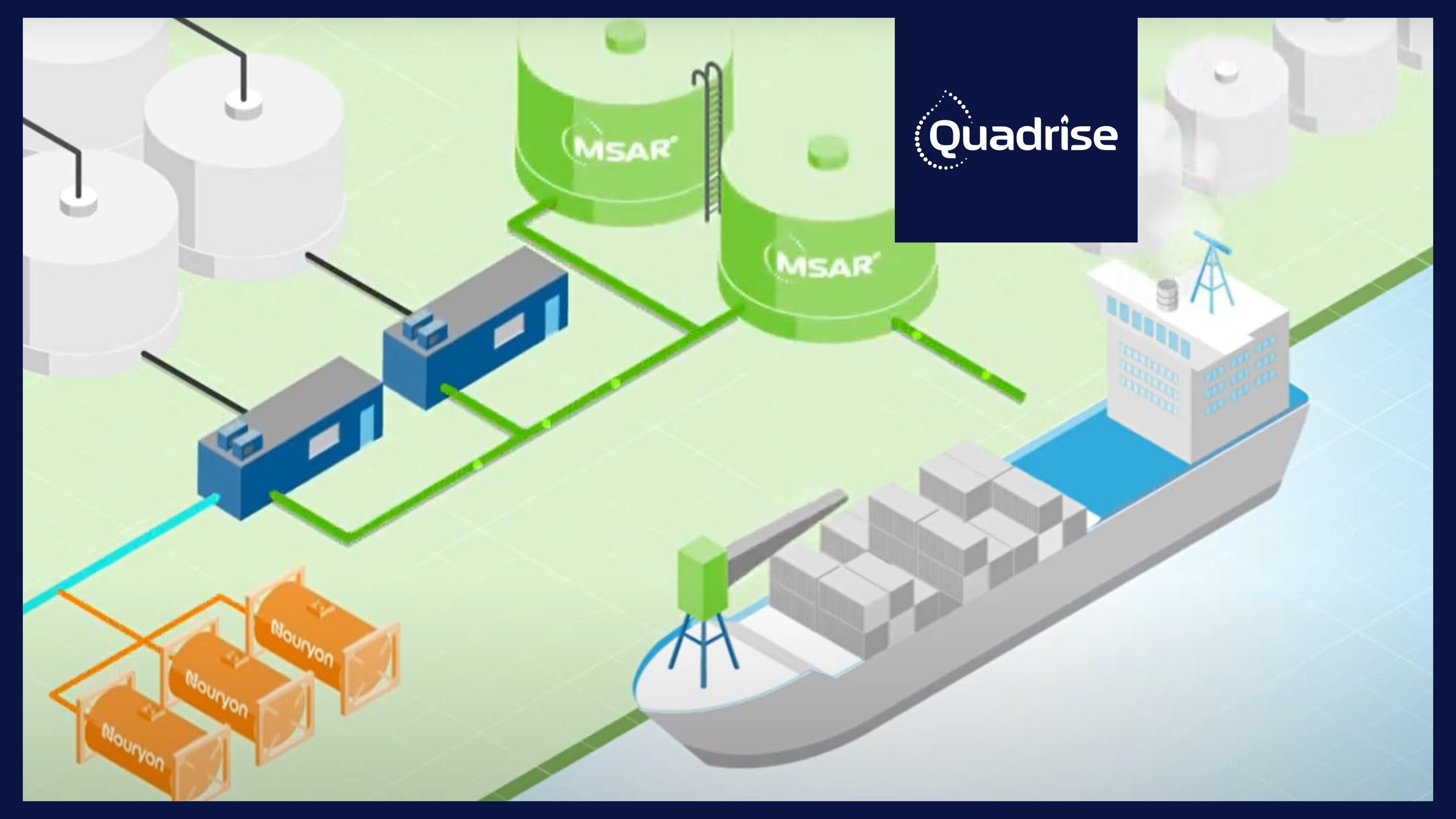
Sustainable Ships developed a tailored business case tool for Quadrise PLC to quantify the commercial and environmental benefits of MSAR® and bioMSAR™ fuels. The tool enables shipowners to compare fuel costs, emissions reductions, and regulatory exposure under EU ETS, FuelEU Maritime, and IMO Net-Zero. This project demonstrates our ability to translate clean fuel technologies into compelling value propositions through data-driven modelling, regulatory insight, and user-focused design.
Sustainable Ships partnered with Natpower Marine to evaluate shore power integration for a hybrid merchant vessel, analyzing methanol, biofuels, and battery hybrids to assess cost, compliance, and long-term decarbonization benefits.

Sustainable Ships developed an ammonia comparison model in a matter of weeks to showcase the business case of Ammonia vs. LNG to potential shipowners. This tool supports Ten08's plan to build ammonia production infrastructure in the US and help shipowners to decarbonize and comply in the most cost-effective manner with regulations such as FuelEU and EU ETS.

Sustainable Ships assisted HEBO gain crucial insights into the cost-effectiveness of different decarbonization measures, in particular battery hybrid solutions and the use of alternative fuels. The project went beyond technical details like engine usage and operational profiles, but also involved close cooperation to develop a tailored strategy to comply with regulatory standards.
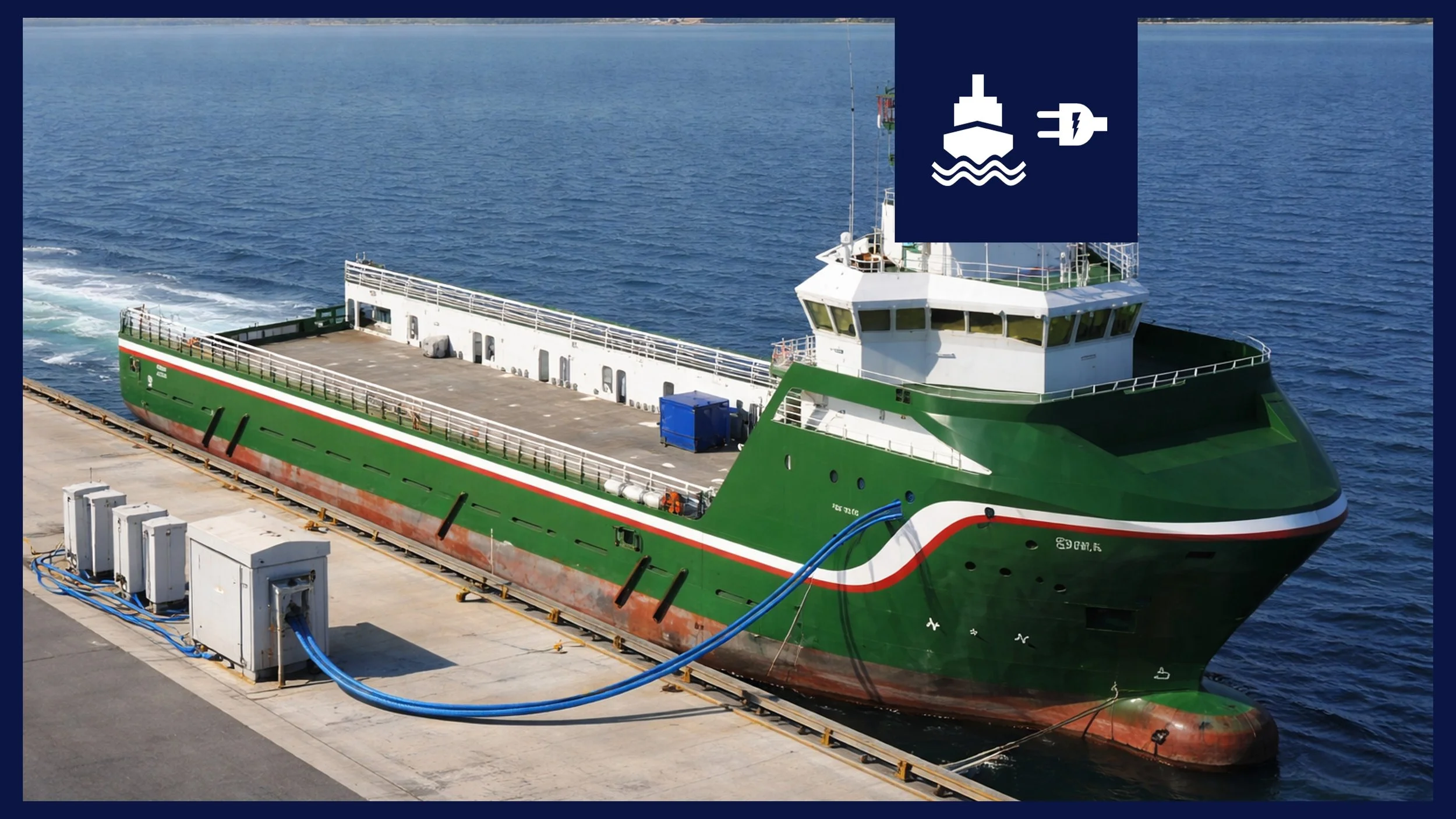
Sustainable Ships provided concept-level technical and economic support for the development of shore power infrastructure at the COMPORT port in Suriname. The work focused on defining viable shore power concepts, required equipment, and indicative investment costs for both port infrastructure and vessel retrofits.

Sustainable Ships assisted Forsa with the exploration of multiple decarbonization pathways, in particular with respect to hybridization of a general cargo vessel and the use of biofuels. Additionally a detailed scenario planning for long-term decision making was made, that allowed the shipowner to quickly compare the costs of newbuild vs. refits with respect to several OPEX parameters including regulatory compliance.
Sustainable Ships co-authored an assessment of pricing and price transparency for e-charging and onshore power supply (OPS) for the European Parliament. The work examined how OPS tariffs are structured across European ports under AFIR and FuelEU Maritime, finding that shore power is typically supplied under monopoly conditions with no common EU pricing standard, which creates a clear risk of unreasonable and hard-to-compare tariffs.