Case studies | Find examples on decarbonization measures, costs and regulations to benchmark your business case
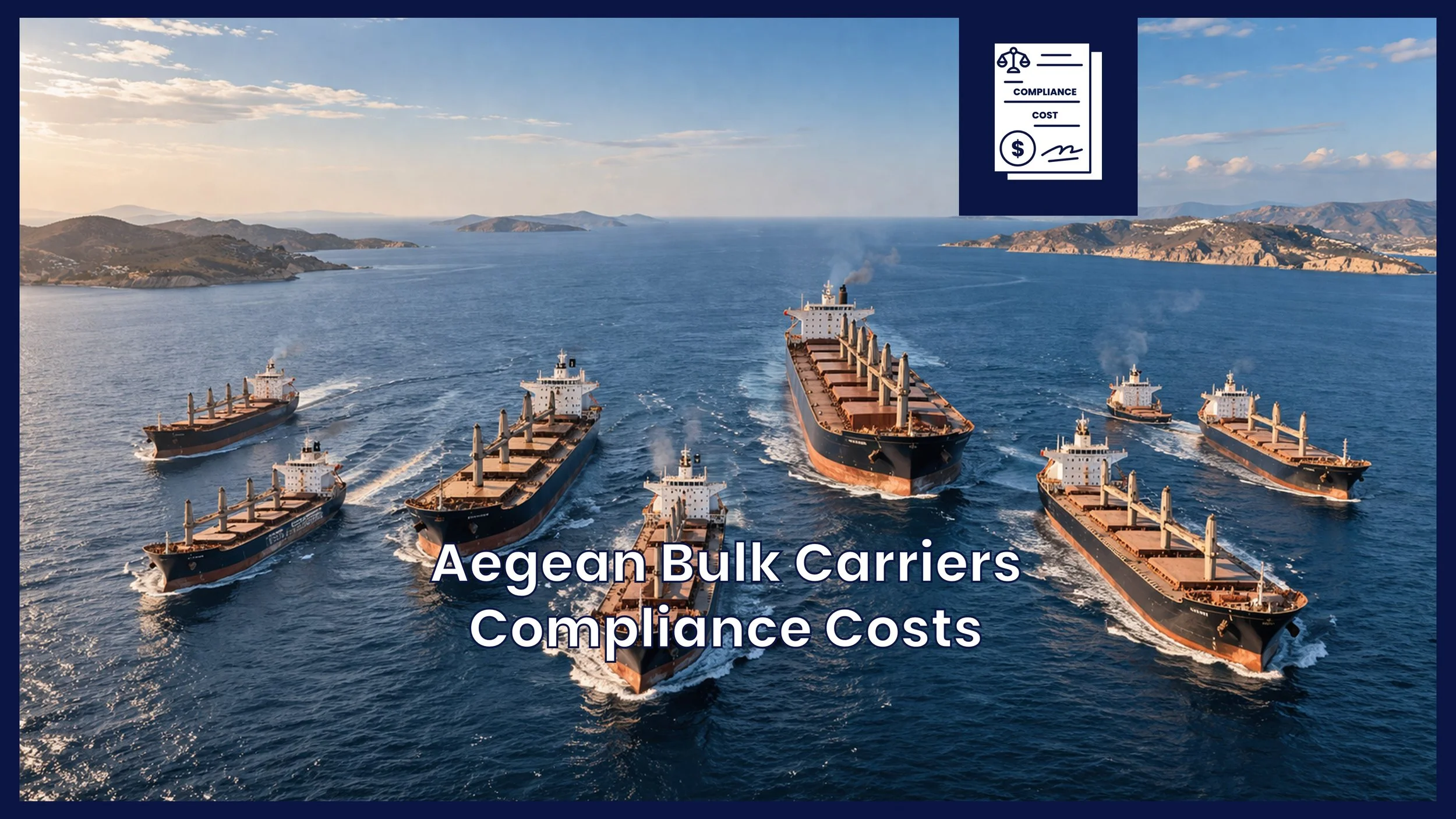
Compliance exposure costs of Greek dry bulk carriers until 2050
Shipping companies face a growing set of regulatory obligations (EU ETS, UK ETS, FuelEU Maritime, and IMO Net-Zero) that directly affect operating costs. This case study determines these costs for a representative fleet of eight Greek dry bulk vessels, calculating exposure under EU ETS, FuelEU Maritime and IMO Net-Zero from 2026 to 2050. The fleet faces a total compliance cost of $4.1 billion over the analysis period, escalating from $30 million in 2026 to $ 362 million in 2050.

Impact of FuelEU Maritime on solar PV for bulk carrier
This case study explores a 100 kWp solar PV system installed on the hatch covers of a handymax bulk carrier. Operating primarily in Northern Europe, the system offsets auxiliary engine load during idle periods, leading to estimated savings of ~$350,000 between 2025 and 2035. With a CAPEX of $100,000, the payback period is around three years. Most savings come from fuel reduction, with additional benefits from EU ETS and FuelEU compliance. The business case is most sensitive to engine efficiency (SFC) and fuel price.
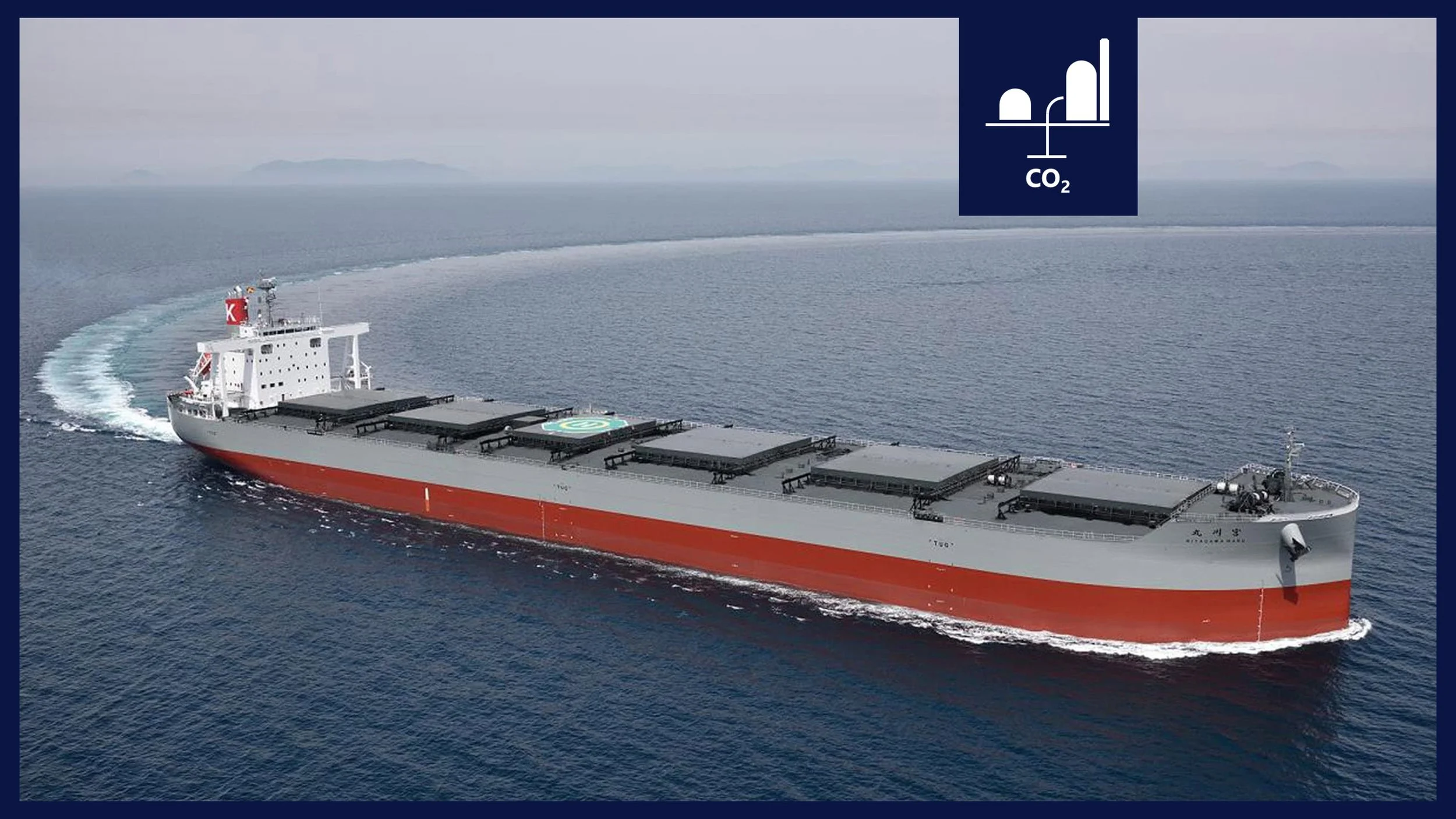
World’s first ‘carbon-capture at sea’ set for shipping trials
Japanese shipbuilding giant Mitsubishi announced that it will build and test a carbon-capture system for ships which promises to reduce ship emissions by 90%. Sea trials will be conducted by mid-2021 using an existing coal carrier operated by the Tohoku Electric Power Company.